New Ford F-150 for Sale Near Philadelphia, PA
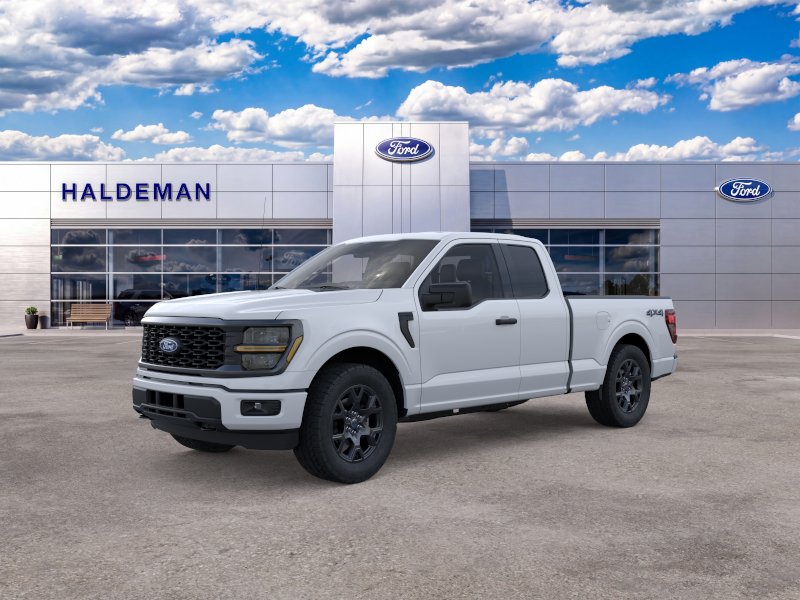
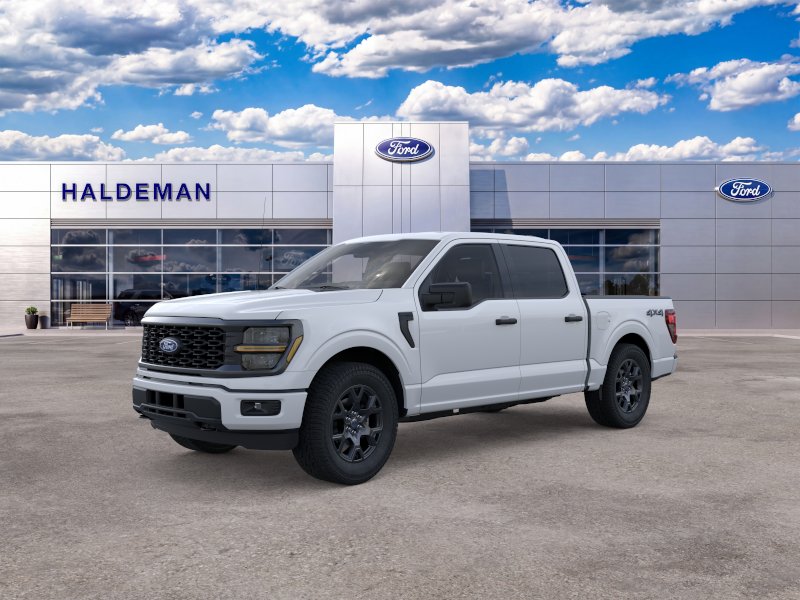

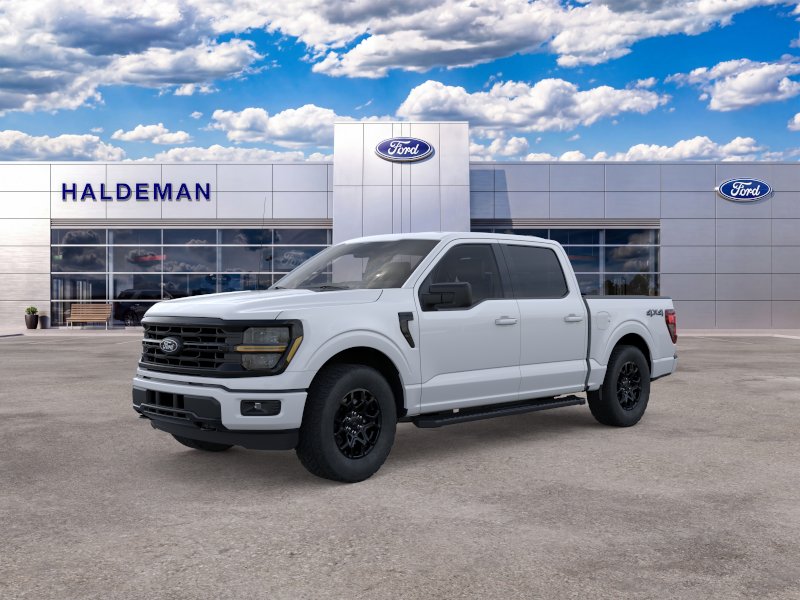

Frequently Asked Questions about New Ford F-150 Philadelphia, PA
Should I apply for financing before I start looking at trucks?
It helps more on a truck than on almost anything else, because the configuration options make the price range so wide. A short application gives you a working figure to shop against without committing you to a vehicle. You end up choosing rather than guessing.
There are so many F-150 combinations. How do I narrow them down?
Pick the bed first and the rest collapses quickly. Most buyers arrive weighing eight trims and leave having realized the choice was only ever between two beds, with everything downstream following from that. If you are stuck, tell us the largest thing you have ever put in a truck.
How do I know whether I need more truck than an F-150?
Look at what you tow and how heavy your loads genuinely are, not what you might do one day. If the heavy work is regular, a Super Duty is the right conversation and we will say so. For most buyers the half ton covers it comfortably.
Is an F-150 practical for work on tight residential streets?
It can be, and the cab and bed pairing you choose decides it. A block parked solid on both sides is unforgiving, so pick the footprint around the streets you work on rather than the largest one offered. Come talk it through before you commit to a configuration.
Can I test drive with weight in the bed?
Ask and we will do what we can to arrange it. A truck feels noticeably different loaded, and learning that before you buy is worth the extra effort. Bring your trailer details as well if towing is part of the plan.
Have Additional Questions?
Which cab and bed pairing suits the work you do? Describe a typical week and we can narrow the field before you get here.
If financing is the piece you would rather handle first, say so and we will start there instead of out on the lot.
Send over the two or three jobs the truck has to handle. That is enough for us to start shortlisting.
Handling the Financing Before You Fall for a Specific Truck
Trucks are the one segment where people routinely fall for a particular vehicle before they know what they can spend. That order of operations costs you leverage and it costs you time. Running an application first turns a browsing trip into a decision.
An online credit application takes a few minutes and hands you a working figure to shop against. It does not commit you to anything and it does not tie you to one truck on the lot. What it does is let you look at an F-150 already knowing whether it is in range.
- A short application filled out before you visit rather than after
- A working budget you can hold up against any truck here
- Room to talk terms because the money question is already settled
Applications get looked at individually, and a thin credit file is not automatically a dead end. Say where things stand and we can map out what is realistically workable.
Sorting the financing first changes the whole tone of a visit. You spend it choosing a truck instead of wondering about one.
Start From the Bed and Work Backward
The F-150 is the most configurable thing on most Ford lots, which is exactly why shoppers stall out on it. There are more combinations than anyone can hold in their head, and comparing badge to badge gets you nowhere.
The shortcut is to start at the bed. Decide what has to fit back there and how often, and half the options fall away immediately. Cab choice follows from who rides with you, and trim follows from those two rather than the other way around.
- Bed length settled first, based on what you genuinely haul
- Cab size chosen around who rides along on a normal week
- Trim decided last, once the shape of the truck is fixed
Work through it in that order and Haldeman Ford can usually put you in front of two or three trucks that fit rather than twenty that might. It makes for a much shorter afternoon.
Configuration paralysis is the most common way an F-150 purchase drags on for weeks. A little sequencing solves it.
The Half Ton Most People Actually Need
The reason the F-150 keeps selling is not any single feature. It is that a half ton truck sits where capability and daily livability overlap, and most buyers who think they need more truck genuinely do not.
It hauls what a homeowner or a tradesperson moves in a normal week, pulls what a normal weekend asks for, and still fits an everyday parking space. Step up a class and you gain capability you might use twice a year while giving up the ease of the other three hundred days.
- Capability sized for a normal week rather than an extreme one
- A footprint that still works in everyday parking
- Interior comfort that holds up across a long day of driving
If your loads are genuinely heavy or your trailer is genuinely large, we will point you toward a Super Duty and say so plainly. For everyone else the half ton is the honest answer.
Buying more truck than the job needs is a common and expensive mistake. So is buying too little, which is why the question deserves asking out loud.
Working Out of a Truck on an Old Philadelphia Block
A great deal of the work happening around Philadelphia takes place in homes built a very long time ago. Rowhouse renovations, roof repairs, and plumbing in buildings that predate modern plumbing, none of which comes with a loading dock or a staging area.
That shapes what a truck has to be here. It parks on a residential block for the day, it holds tools where you can reach them without unloading everything, and it has to fit down a street with cars parked solid on both sides. A truck that is awkward in that setting costs you an hour a day.
- Tool storage you can reach without emptying the bed first
- A footprint that fits a block parked solid on both sides
- Secure storage for anything left on site overnight
Drivers working in the Philadelphia area often tell us the bed liner and tie down setup matter more to them than anything on the window sticker. That is a reasonable priority and worth planning for at purchase rather than afterward.
The truck that works on a modern job site and the truck that works on a hundred year old street are not always the same truck. Say which one you are buying for.
Come In With the Job List, Not the Brochure
The most productive F-150 conversation starts from a list of what the truck has to do. Not a trim name, not a color, just the jobs. We can work backward from that faster than from anything else you could bring.
If part of the list is towing, bring the details of what you pull. Knowing the trailer changes which setup makes sense, and getting that wrong is the mistake that is expensive to correct later.
- A written list of what the truck has to carry and pull
- Details of any trailer you already own
- A test drive with weight in the bed if we can arrange it
Loading the bed for a test drive is unusual and genuinely useful. A truck feels different with weight in it, and you should learn that before you sign rather than after.
Bring the job list and the rest is arithmetic. Most people leave with a clearer idea of what they need than they arrived with.
Send Haldeman Ford the short version of what your F-150 has to do and we will have the right two or three ready by the time you get here.