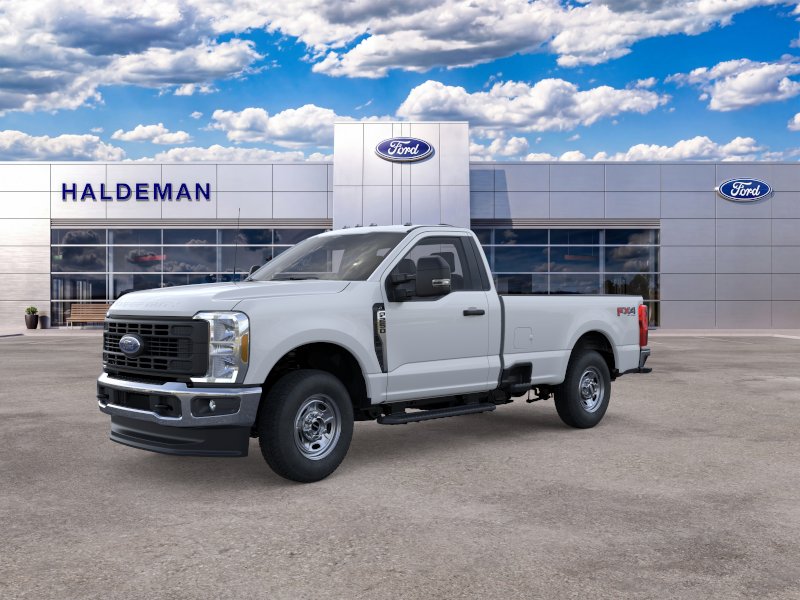
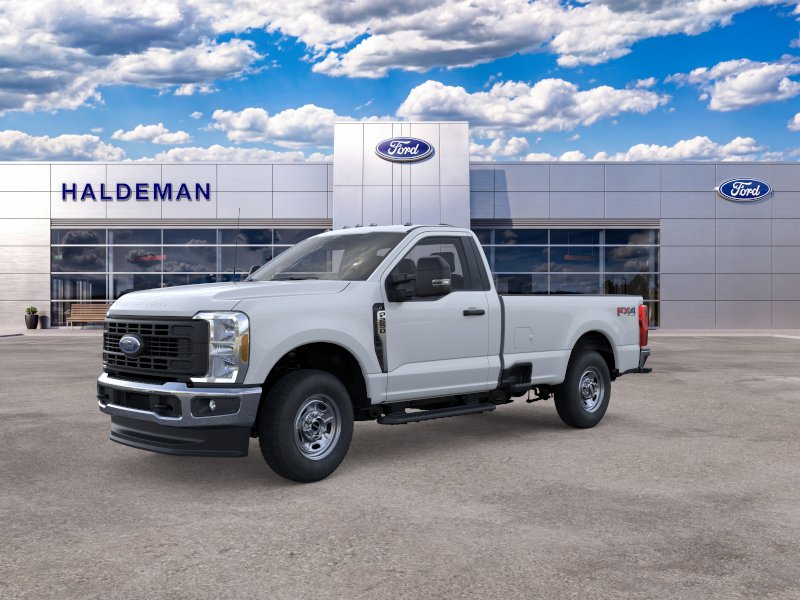
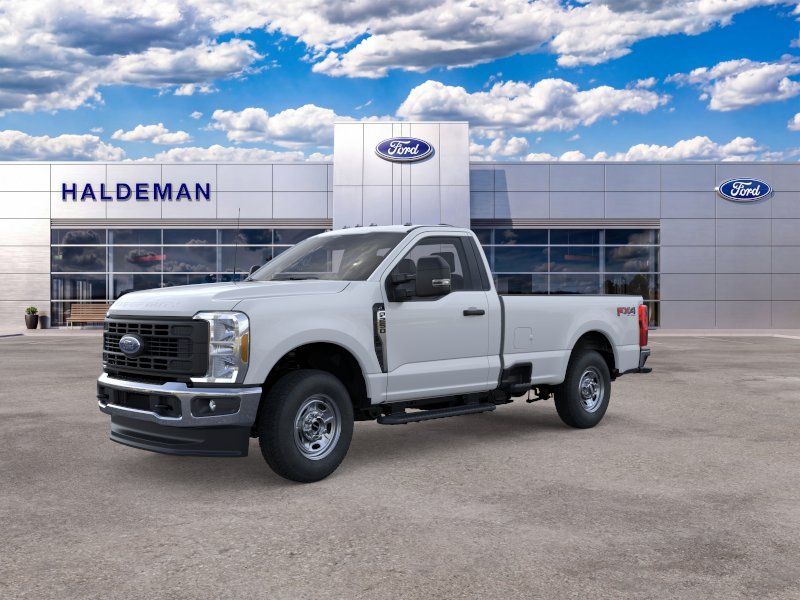
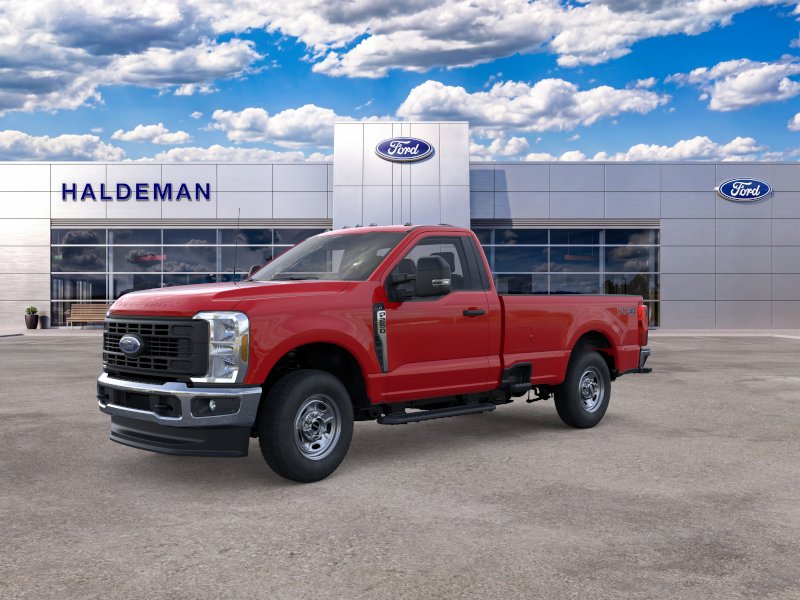
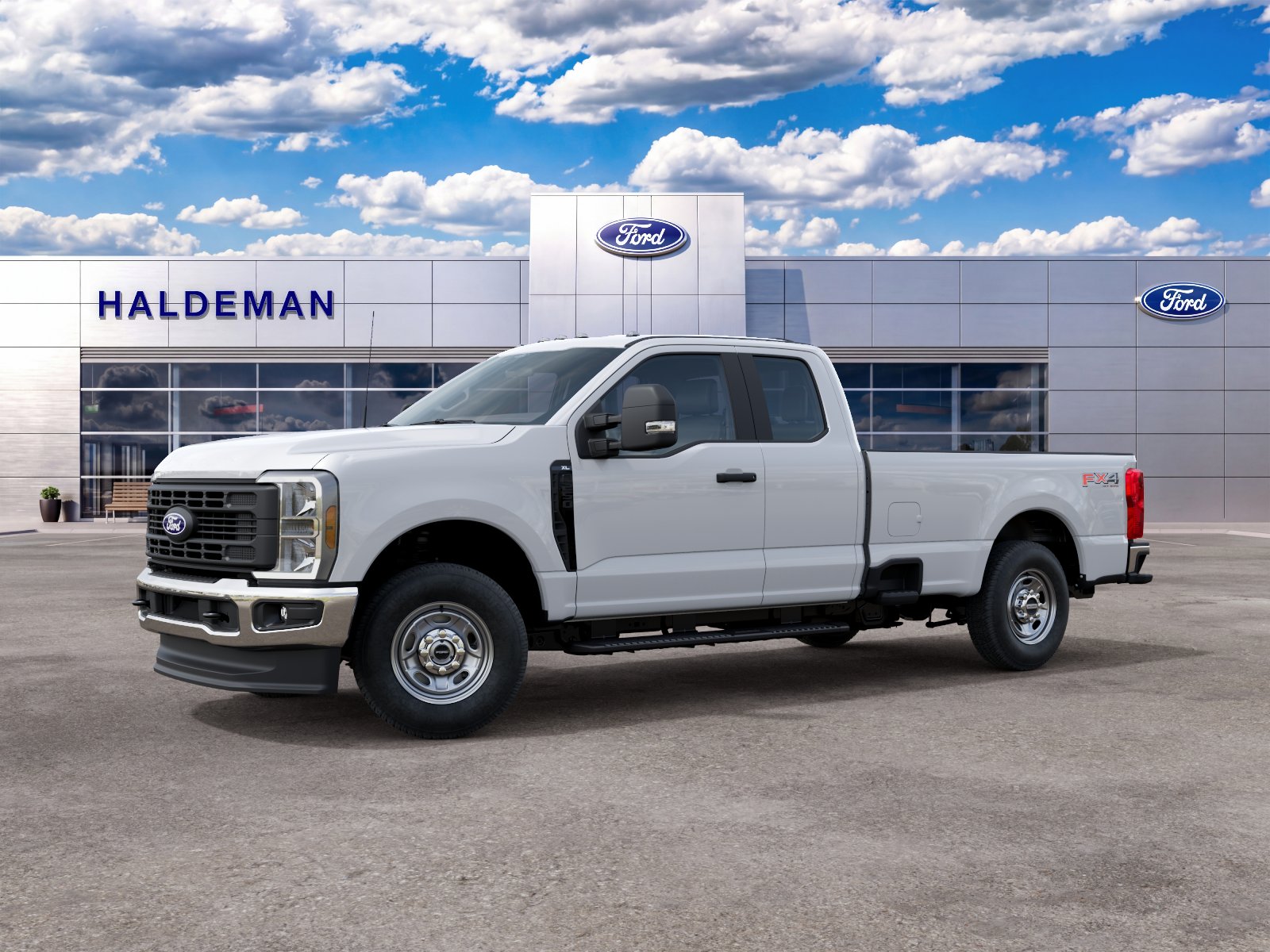
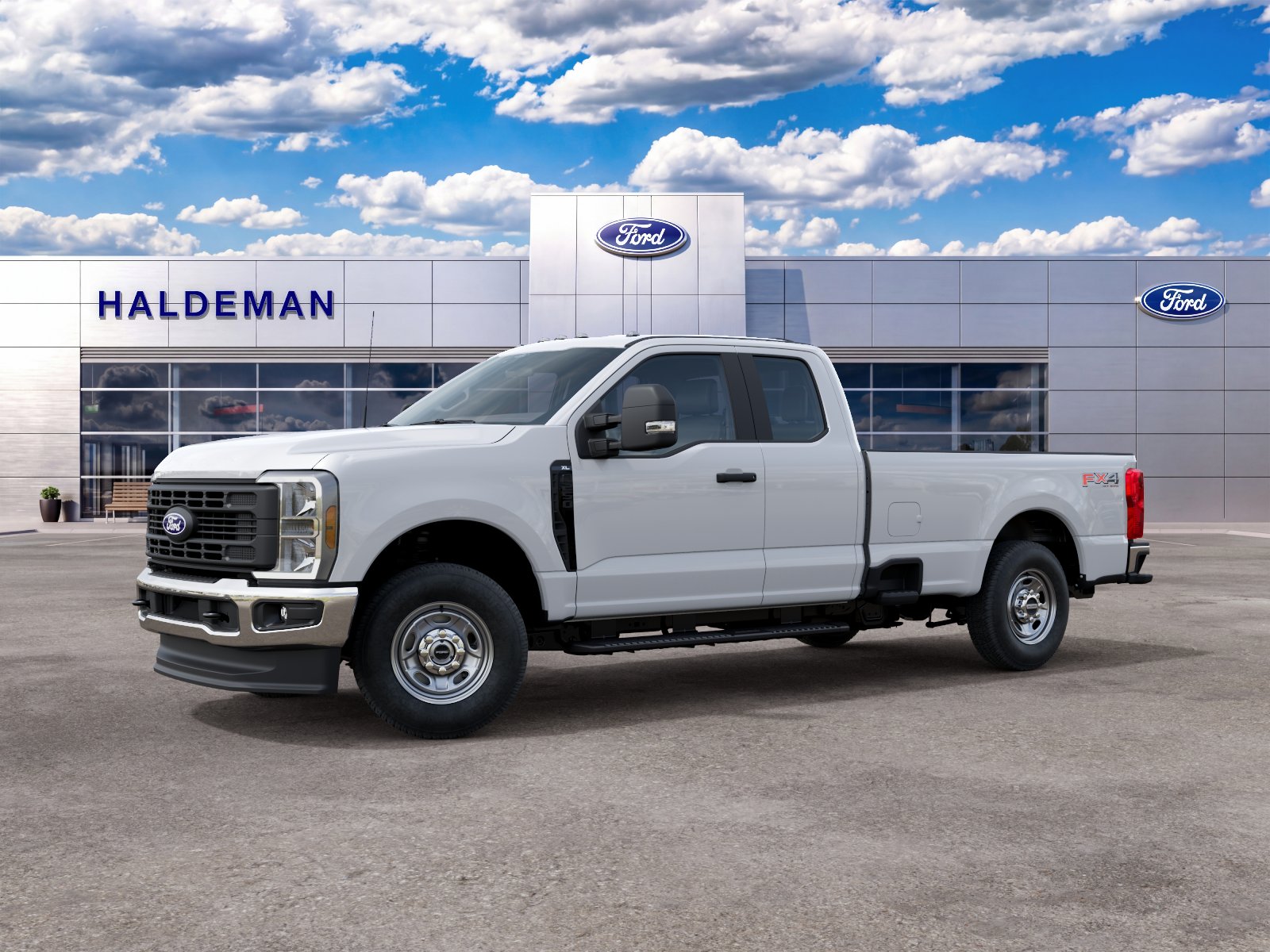
New Ford Super Duty F-250 SRW for Sale in Trenton, NJ

Frequently Asked Questions About New Ford Super Duty F-250 SRW in Trenton, NJ
What paperwork helps when a young company buys its first work truck?
Lenders commonly ask for the business registration, an employer identification number and a recent bank statement, along with the owner's license and insurance details. Calling ahead lets our finance staff tell you what a given lender wants, so the visit does not stall over a missing page.
Can I get an F-250 with surfaces that hose out after a muddy week?
Many work-oriented F-250 builds come with vinyl seats and rubber floor covering, which wipe or rinse clean far more easily than cloth and carpet. Availability varies by configuration, so ask which trucks in stock carry them or whether ordering one is the quicker route.
Is a gooseneck or a bumper-pull trailer better for a skid steer?
Bumper-pull tilt-deck and ramp trailers are the usual choice for compact machines and work with the receiver hitch on any F-250. A gooseneck sets more of the load over the truck's rear axle and tends to tow steadily under heavier weight, but it needs a hitch in the bed and leaves less of the bed open for cargo.
Can I put the company name on the doors right after delivery?
Yes, vinyl lettering or magnetic signs can go on as soon as the truck is yours, and sign shops in Trenton letter work trucks regularly. Some trades are required to show specific business details on commercial vehicles, so check the state rules for your line of work before the lettering is cut.
What should I check before pulling a loaded trailer out of a muddy job site?
Walk the exit path first and look for soft spots, because a rig that stalls with its wheels spinning can dig itself in deeper within moments. Knock caked mud off the trailer lights and the hitch area, and wipe the license plate so it stays readable once you reach pavement.
Have Additional Questions?
List the equipment you pull, starting with the heaviest machine and the trailer it rides on.
A line such as a compact track loader on a tilt-deck trailer, plus a plate compactor in the bed, gives our truck staff enough to pick out suitable F-250 setups.
If the company plans to add another machine next season, mention it too, so the truck is sized for the fleet you are building.
When a Small Contractor Buys the First Heavy-Duty Pickup
Many contracting outfits in Trenton begin with a used van, a borrowed trailer and a machine rented by the day. Then the calendar fills, the owner buys a mini excavator or a compact track loader, and moving that machine from one job to the next turns into a daily task. That is usually the week a Super Duty F-250 goes from a someday idea to a line in the business plan.
The F-250 sits a rung above the F-150 in the Ford truck family, built on a heavier frame with axles, springs and brakes meant for trailer work that happens every weekday. For a small crew, the gain is less about bragging rights and more about reaching the site with the machine, the materials and the people in one trip, while the truck still feels composed on the drive home.
- A contractor who once waited on a rental yard delivery can set the morning start time once the machine and the pickup both belong to the business
- Crews that split between a demolition job and a grading job on the same day value a truck that can drop one trailer and fetch another before lunch
- Single rear wheels keep the F-250 narrow enough to park along a residential curb beside a homeowner's driveway while the excavator digs out back
Picking the first heavy-duty truck also sets habits for the company. The cab decides how many workers ride along, the bed length decides whether forms and lumber fit, and the hitch setup decides which trailers you can borrow or buy later. Getting those choices settled early spares the business a do-over once its next machine arrives.
The first heavy-duty pickup marks a turning point for a young contracting business. Choosing it around the machine you move most keeps that turning point from becoming a headache.
Mini Excavators, Skid Steers and the Trailer Between Them
Compact equipment is dense, so a small machine can weigh far more than its size suggests. A mini excavator on a tilt-deck trailer, carrying its bucket, a breaker attachment and a full fuel tank, adds up quickly, and the trailer brings weight of its own. Before shopping, add the operating weight from the machine's data plate to the trailer's empty weight and keep that total handy.
Smaller mini excavators and compact skid steers on a suitably rated trailer commonly sit within what a properly equipped F-250 is rated to pull, while the larger machines in each class can push the combination toward an F-350 or a dually. Our staff compares your total with the ratings printed for the specific truck, since cab, bed, drive setup and hitch all shift the answer.
- Packed clay that drops off the tracks onto the deck builds up across a week, so scrape it clean before weighing the rig at a scale
- Attachments such as a hydraulic breaker, a grading bucket or pallet forks often ride on the trailer beside the machine, and their weight belongs in the total too
- Trailer brakes and a working brake controller matter for loads this dense, so confirm the truck is wired and set up to run them
Placement on the deck matters as much as the total. Load the machine so slightly more of its weight sits ahead of the trailer axles, chain it at each of its tie-down points, and lower the bucket or blade to the deck before you pull out. A machine parked too far back can start the trailer swaying, while one crowded toward the front presses the truck's rear down and lightens the steering.
The truck, the trailer and the machine travel as a single rig. Sizing all three together protects the crew, the equipment and everyone sharing the lane.
Crossing the I-295 and I-195 Interchanges With a Loaded Trailer
A typical week for a small crew around Trenton might start with a drainage job near Bordentown, move to a patio tear-out on the far side of I-295 and finish with trenching in a backyard off I-195. Each trip runs through busy interchanges where merging traffic, short ramps and sudden slowdowns test how well a loaded rig accelerates, brakes and holds its lane.
Compared with a half-ton, the F-250 gives a heavy equipment trailer more truck to lean on through those moments, yet the driver still sets the margin. Leave extra following room before an interchange, choose your lane early and skip the last-second merge across traffic, since a loaded trailer takes longer to stop and swings wider on a tight ramp.
- Rush-hour slowdowns near where I-295 and I-195 meet are common enough that many crews hook up the trailer the evening before and leave ahead of commuters
- Telescoping trailer mirrors show the whole length of a tilt-deck trailer during a lane change, which matters once a machine blocks the view through the rear glass
- A quick walkaround at the first safe pull-off lets the driver retighten chains and binders that loosened as the machine settled onto the deck
Jobs in the older parts of Bordentown can mean narrow streets and small lots, where single rear wheels help the F-250 tuck in beside the curb while the trailer unloads. Plan where the trailer will sit before you arrive, and ask the homeowner to move a car if the ramps need room to drop.
Interchanges and tight streets are where a loaded rig earns or loses a crew's confidence. A truck matched to its trailer makes both feel routine.
A Cab and Bed Built Around the Crew
An F-250 for a working crew needs a cab that tolerates muddy boots, wet jackets and a clipboard full of permits. A crew cab gives a small team room for lunch coolers, a laptop with the site drawings and a spare set of work clothes, while a regular or extended cab leaves more of the wheelbase for a longer bed.
The bed and its accessories matter just as much. A spray-in liner, a crossover toolbox and tie-down cleats turn the bed into a secure spot for hand tools, compactor plates and bags of stone, while a gooseneck-ready bed floor keeps future trailer options open. Haldeman Ford can search current inventory for a matching truck and, when nothing fits, explain how a factory order is placed.
- Bins beneath the rear seat on many crew cabs keep a laser level, a first aid kit and spare gloves out of sight overnight at a site
- Floor liners with raised edges catch the mud and gravel that track in from a freshly graded lot, which keeps grit from grinding into the flooring underneath
- Ask whether a truck carries upfitter switches on the dash, which make adding amber strobes or work lights later a neater job for the installer
Before signing, sit in the driver's seat holding the clipboard, the phone and the coffee you carry every morning. Small details such as where the paperwork goes, where the phone mounts and whether the rear seat folds up for cargo reveal more about a work truck than any window sticker.
A crew spends long days inside this truck. A cab and bed chosen for the mess keep it looking like a business vehicle for years.
Paying for It, Trading the Old Rig and Booking Service
Our finance team arranges loans on a new Super Duty for business buyers and individual owners alike, and explains each lender's terms in plain language. Mention early whether the truck will be titled to you or to the company, since that choice shapes which documents a lender asks to see.
If the old van or a worn half-ton is part of the deal, Haldeman Ford appraises it on condition, mileage and service records, and its value can go toward the F-250 during the same visit. Trucks that dragged trailers out of soft job sites are expected to show hitch scuffs and bed dents, and those marks rarely surprise an appraiser.
- Bring the equipment trailer along on delivery day if you can, because seeing the hitch height and wiring connector together lets staff confirm everything lines up
- Trucks pulling heavy trailers through stop-and-go traffic usually fall under the severe service schedule in the owner's guide, with fluids and brakes checked sooner
- Crews working near Bordentown or along I-195 can book an early drop-off during a slow week, so the F-250 is back before the next excavation begins
Our service team can inspect the receiver, the hitch pins, the trailer connector and the brake controller along with the routine items, and note the machine you pull in your file. Keeping that note on record lets each technician check the parts your workload stresses most.
A small contractor's first heavy-duty truck sets the pace for every job that follows. An F-250 sized around the trailer and the machine keeps the business moving from one site to the next.
Moving your own machines is a milestone for a young contracting business. Share that equipment list with Haldeman Ford, and our truck staff can narrow the lot to F-250 pickups ready for the trailer you pull.