New Ford Super Duty F-350 SRW for Sale in Trenton, NJ




Frequently Asked Questions About New Ford Super Duty F-350 SRW in Trenton, NJ
Does a service body replace the pickup bed on an F-350?
It can. Many fleets order the F-350 as a chassis cab so the body bolts straight to the frame, while others remove the box from a pickup and mount the body in its place. The right path depends on timing, the body you want and which trucks are available.
Will a ladder rack keep the truck out of a low parking garage?
It might, since a fixed rack adds height above the cab and many downtown garages post low clearances at the entrance. Drop-down racks often sit lower when stowed, so compare the rack's stowed height with the clearance signs at the garages your crew uses most.
How should compartments be organized for an HVAC or wiring crew?
Keep the heaviest items, such as wire spools and recovery machines, in lower compartments near the rear axle. Store everyday consumables at shoulder height on the curb side, where technicians can grab them without stepping into traffic.
Is four-wheel drive worth choosing for a truck that works mostly downtown?
Most downtown calls happen on paved streets, so rear-wheel drive covers the bulk of the work. Crews on snow-emergency duty, or those serving campuses with grassy access to mechanical buildings, often want four-wheel drive for the winter ramps and soft ground they meet.
What should a crew carry on the truck for after-hours building calls?
Crews answering a burst pipe or a tripped panel at night appreciate scene lights on the body and a stock of the fittings and breakers that building uses most. Keep access badges and building keys in a locked box in the cab so they never ride loose in a compartment.
Have Additional Questions?
Describe the building you service: its age, its height, where the truck parks and what tends to break first.
A note such as a mid-rise agency office with a basement boiler room and a loading dock tucked behind the block gives our sales team a clear picture of the body and rack you need.
Mention the trades on your crew as well, because a wiring tech's compartments look nothing like a plumber's.
Crews Who Keep the Capital's Buildings Running
Behind every office tower and agency building in Trenton is a crew that keeps it working. Wiring technicians chase tripped panels, HVAC technicians climb to rooftop units, plumbers answer leaks in basement mechanical rooms and locksmiths rekey doors after staff changes. Many of those crews work for state agencies, colleges and hospitals, or for the contractors those institutions hire, and their truck doubles as a rolling stockroom.
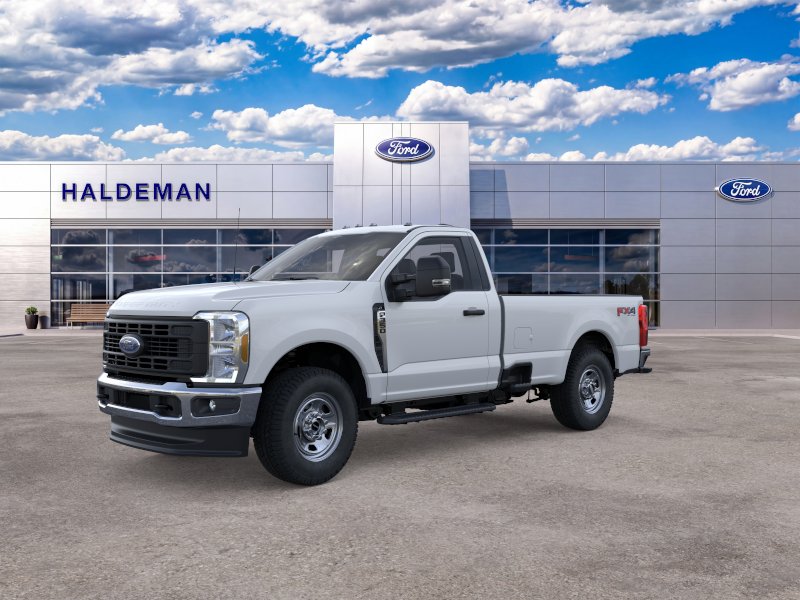
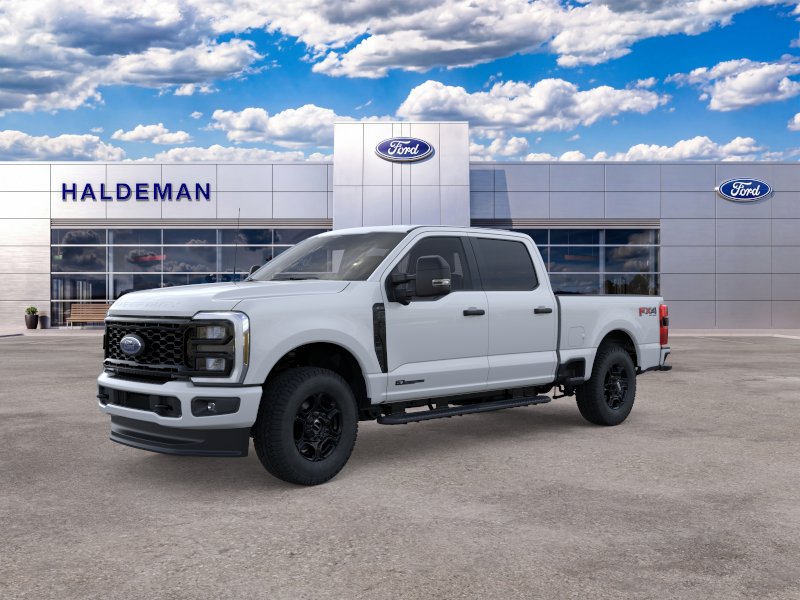
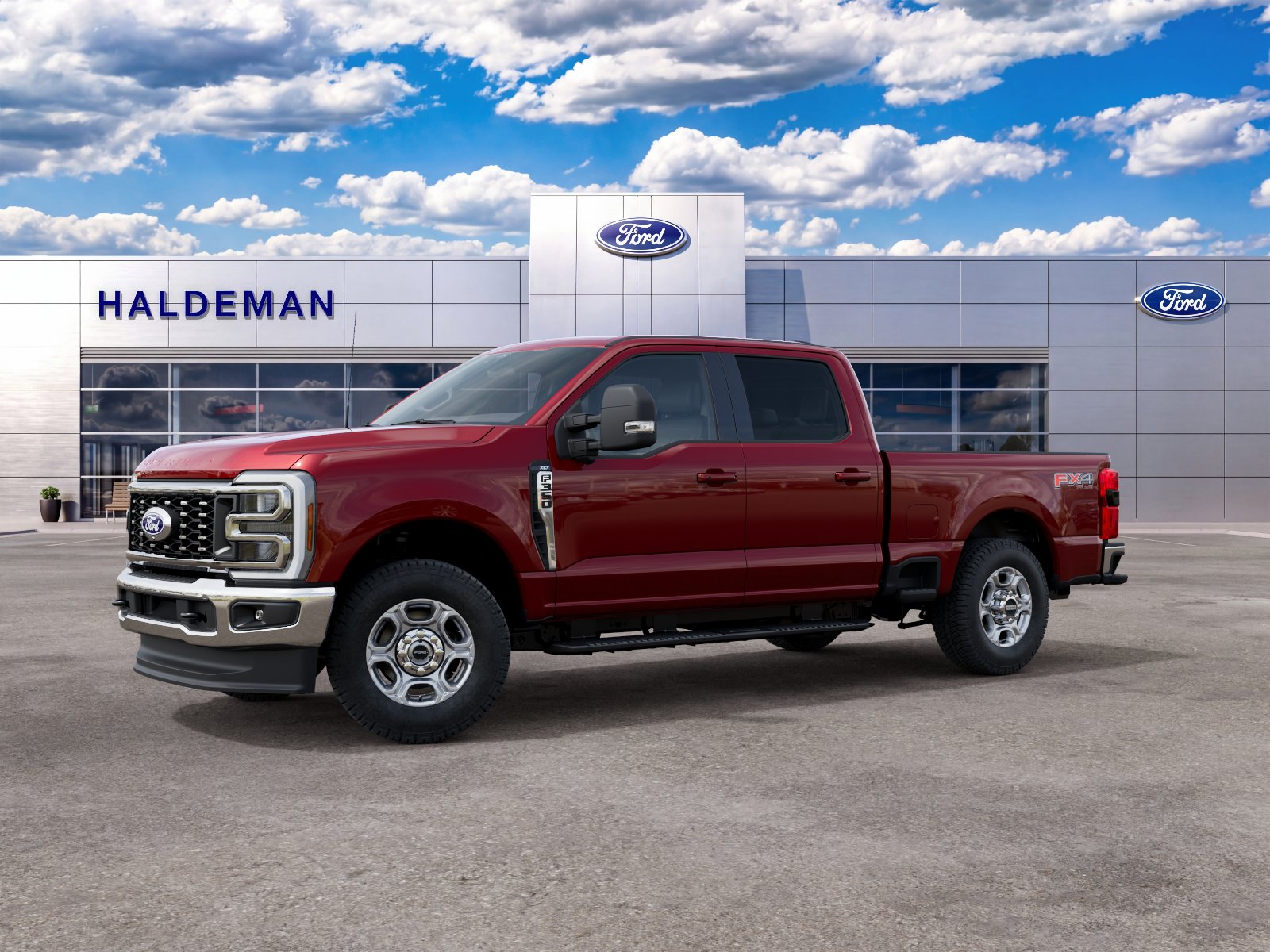
The Ford F-350 with single rear wheels suits that work because it carries a steel service body packed with fittings, wire and tools, a rack of ladders and a crew, while keeping the width of an ordinary pickup. A higher rating than the F-250 leaves room for the parts inventory that builds up in compartments over a busy season.
- A facilities crew that answers calls across several campuses in one shift saves real time when the right breaker or valve already sits in a labeled bin
- Institutional fleets often standardize on one body layout so a technician can borrow a coworker's truck and still find the pipe wrench without searching
- Older public buildings hide unusual parts, such as legacy light fixtures and radiator valves, that crews stock on the truck because supply houses rarely carry them
Choosing the truck starts with the trade it serves. A wiring crew wants long compartments for conduit and a rack sized for extension ladders, while an HVAC team needs space for recovery equipment and refrigerant tanks stored upright. Settling that list before shopping helps match the right body to the chassis.
The buildings that run state business depend on crews who can fix things the same day. A well-equipped F-350 SRW puts that capability at the curb.
Service Bodies, Ladder Racks and What Rides Inside
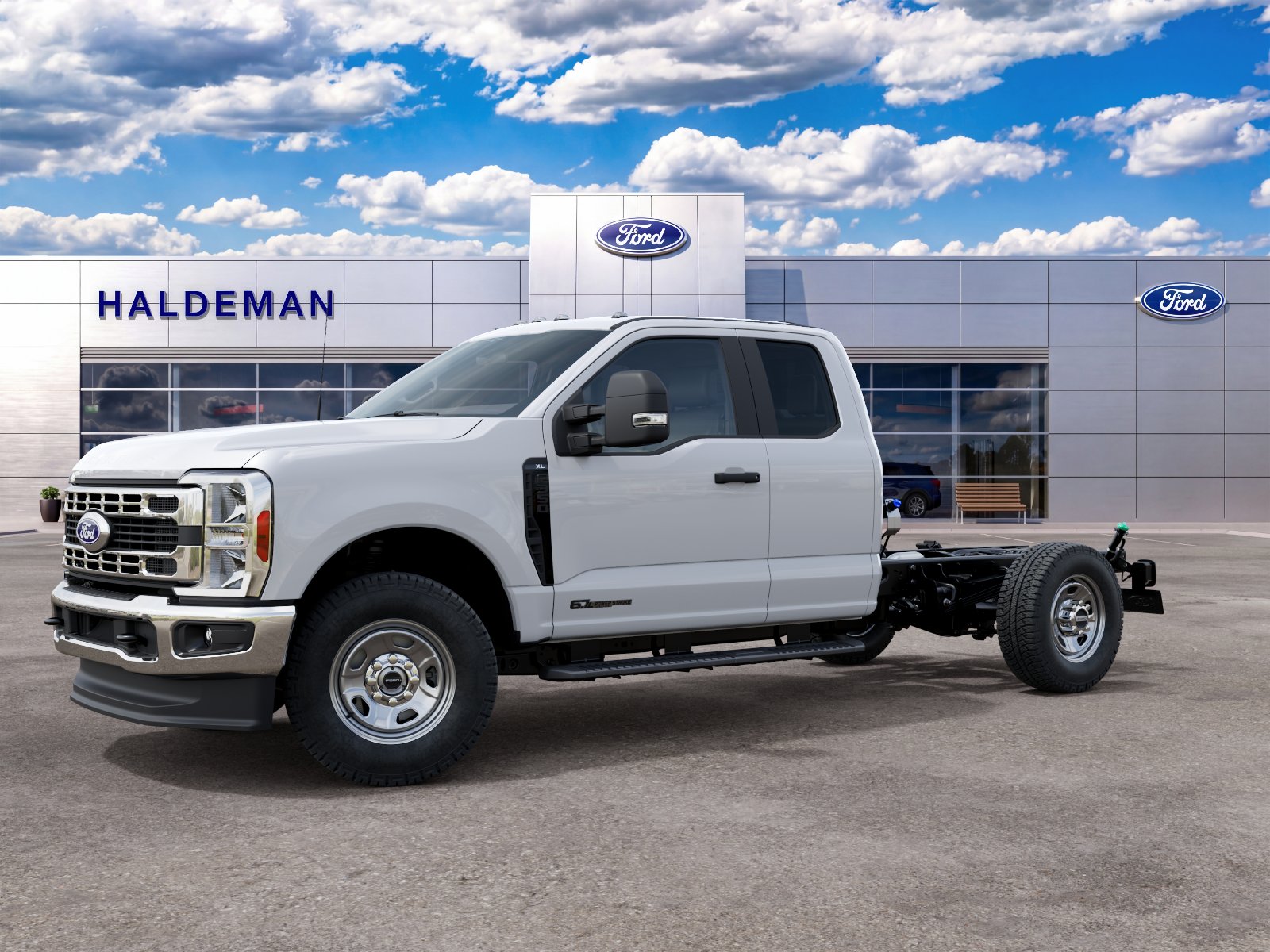
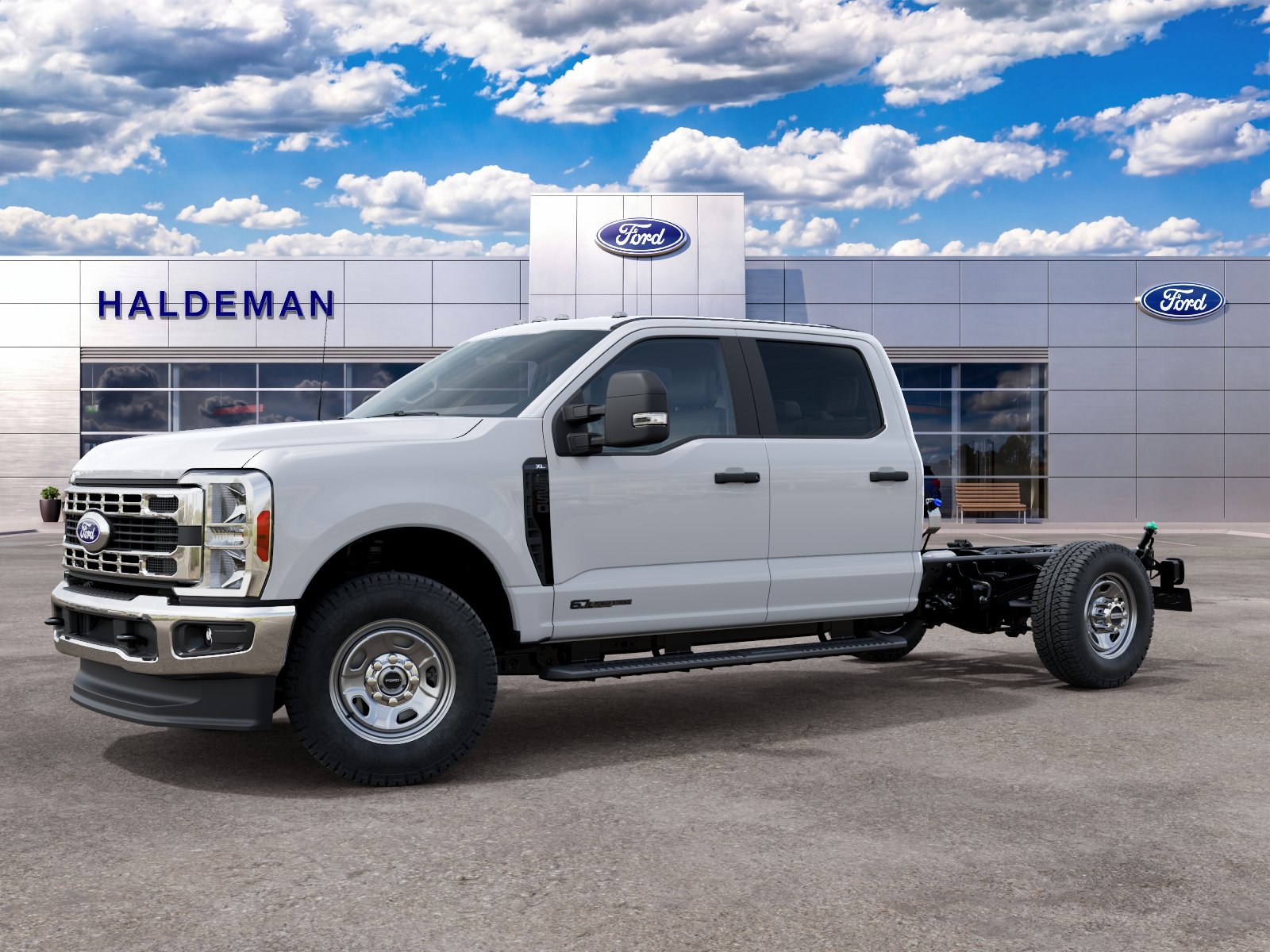
A service body swaps the open pickup box for rows of lockable compartments along each side, with an open center bed for long items. Some fleets order the F-350 as a chassis cab so an upfitter can mount the body directly, while others choose a pickup and add a ladder rack and a crossover box. Either way, the body's own weight comes out of the truck's rating before a single part is loaded.
Ladder racks need the same planning. Fixed overhead racks are simple and strong, while drop-down racks lower the ladders beside the truck so a technician never has to climb onto the bumper to reach them. Ask which F-350 configurations in stock are already set up for a body or a rack, since some leave the factory with provisions an upfitter appreciates.
- Adjustable shelving and parts bins inside each compartment keep small fittings from sliding loose, which matters on a truck that brakes hard in city traffic
- Compartment lighting helps technicians find a fitting in a dim parking structure or after sunset, and many upfitters wire it to switch on when a door opens
- A crane or a heavy vise mounted on the body adds weight high and toward the rear, so share those plans with the upfitter early in the process
Upfitter timing matters for crews waiting on a new truck. Bodies and racks can take weeks to install depending on the shop, so many buyers line up the upfitter while the truck is still being chosen. Haldeman Ford can coordinate with the upfitter you use or explain what options are available locally.
The body and the rack turn a pickup into a workshop on wheels. Planning them alongside the truck keeps the crew from waiting twice.
Downtown Garages, Curb Lanes and the State House Blocks
Crews working near the State House and the office blocks around it rarely find an open loading dock. They squeeze into curb lanes, wedge into parking structures under agency buildings and unload equipment on busy sidewalks. Single rear wheels keep the F-350 narrow enough to fit a standard garage stall and to hug the curb without blocking a whole travel lane.
Garage ramps under older office buildings were designed around passenger cars, so long crew cab trucks need care on tight turns between support columns. Walk the ramps your crew uses most before choosing a cab and bed combination, because a shorter wheelbase may save a three-point turn at every visit. Ask building security where service vehicles are expected to park as well.
- Hazard lights and safety cones placed behind the truck give pedestrians and drivers a clear warning when a technician is unloading at the curb downtown
- Compartment doors that open toward the sidewalk side keep technicians out of moving traffic, so think about which side holds the most-used parts
- Leaving a business card and a building work order on the dash helps parking enforcement understand why a service truck is stopped near an office entrance
Security matters downtown too. A truck full of meters, power tools and copper fittings draws attention, so lock every compartment between trips and keep the most valuable items in the cab or the building while the crew works. Parking within sight of the job, when the building allows it, makes theft much less tempting.
Downtown service work rewards a truck that fits where cars fit. Single rear wheels keep the F-350 welcome in the garages and curb lanes around the capitol.
Picking the Truck, Paying for It and Trading Out the Old One
Our staff can search current F-350 SRW inventory for the cab, bed and drive setup your crew needs, and explain factory ordering when the right truck is not on the lot. Contractors serving institutional clients often want several matching trucks, and ordering together keeps the fleet consistent for technicians and upfitters alike.
Our finance team works with contractors, small companies and individual owners, and walks through each lender's offer clearly. If a business will hold the title, tell us up front, because lenders ask for different documents in that case. Haldeman Ford also appraises outgoing work trucks, and a body or rack in good shape can add appeal to a trade.
- List every accessory on the old truck, from the rack to the inverter, so you can decide what moves across and what stays with the trade
- Fleet managers swapping out a handful of trucks together can request staggered deliveries, so the crew never loses every service vehicle in the same week
- Photos of the old truck's compartments and rack help an appraiser understand its condition before a visit, especially if the truck is still out on jobs
Some contractors keep an older truck as a spare for emergencies and seasonal peaks. Others retire it entirely once the new F-350 arrives. Talking through both options lets you choose what suits the size of your crew.
A maintenance truck is a business investment that works every weekday. Lining up inventory, financing and trade together keeps the crew covered during the changeover.
Service Visits Around a Maintenance Crew's Calendar
A truck that hauls a loaded service body every day falls under the severe-duty maintenance schedule in the owner's guide, which calls for more frequent inspections of fluids, brakes and suspension. Our service team can schedule visits during quieter weeks, such as after a big building project wraps up, so the crew is not short a truck when calls pile up.
Crews covering buildings along US-206 and back into the city put on many short, stop-and-go miles, which wear brakes sooner than highway driving. Technicians at Haldeman Ford can note the body type and typical load in your file so they know to check the rear springs, rack mounts and compartment hinges at each visit.
- Compartment hinges and latches loosen over time from constant use, so ask the service team to check and adjust them along with the regular maintenance items
- Rack mounting bolts deserve a periodic tightening check because vibration from city potholes can work them loose over a busy season of downtown service calls
- Booking routine visits early in the morning lets the truck return to the crew before the afternoon calls start coming in from buildings around the city
Keeping a maintenance log in the cab helps both the crew and our technicians see patterns, such as a recurring brake squeal or a compartment latch that keeps sticking. Our advisors can then rank the repairs by urgency, separating what should be handled before the next call from items that can ride until the scheduled visit.
A crew that keeps public and institutional buildings running needs a truck that runs just as reliably. An F-350 SRW fitted with the right body and rack keeps that work moving through the garages and curb lanes of the capital.
Keeping a building running is easier with the right parts within reach. A list of the buildings your crew covers is all Haldeman Ford needs to show F-350 SRW trucks ready for a service body or ladder rack.