New Ford Super Duty F-550 DRW for Sale Near Philadelphia, PA





Frequently Asked Questions about New Ford Super Duty F-550 DRW Philadelphia, PA
Is an F-550 a finished truck when I buy it?
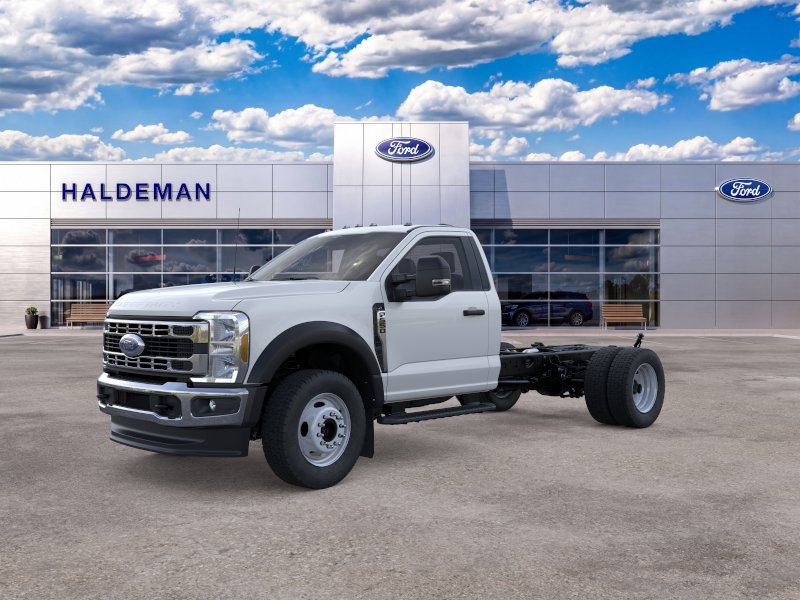
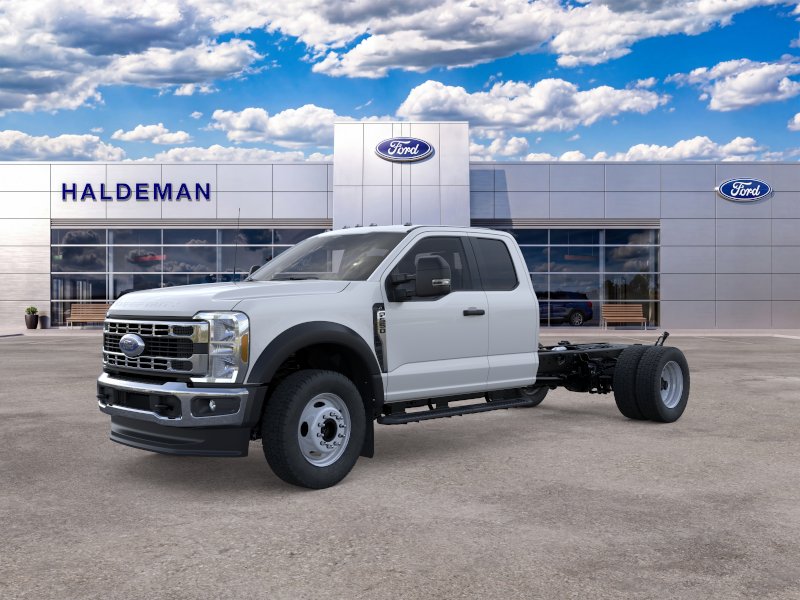
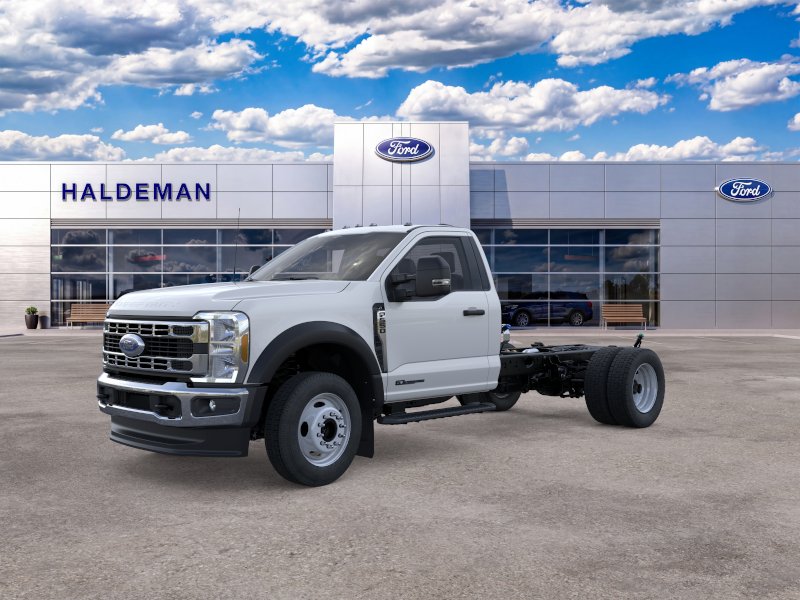
Not usually. It is a cab and chassis, and what it becomes depends on the body somebody builds onto the back. That means the conversation runs backward, starting from the finished vehicle you need in service.
Why can I not just buy one off the lot?
Because nobody stocks a truck that has not been told what it will become. What suits a utility crew is the wrong foundation for a tow operator, so almost every one of these is claimed before it lands. Treat ordering as the default and the timeline stops feeling like a delay.
Who coordinates between you and the body builder?
We are glad to, and it goes considerably better than two suppliers each assuming the other is holding the schedule. The single biggest cause of a build running long is a decision nobody realized was theirs to make. Put us in touch with your builder and that stops happening.
Can I move the body from my old truck onto a new chassis?
Sometimes. It comes down to how the original was fitted and whether the replacement presents the same mounting situation, which is a question for whoever built it rather than a general rule. Ask early, because the answer changes what you should be shopping for.
How long do these trucks usually stay in service?
Considerably longer than a retail vehicle, which is exactly why specifying carefully matters. Utility contractors, municipal departments, and service companies around Philadelphia often run them well past the point where a personal truck would have been replaced. Build it for the job it will still be doing in a decade.
Have Additional Questions?
Start with the finished truck rather than the chassis. Tell us what it has to do and we will work backward from there.
If you already have a body builder, put us in touch and we can hold both halves of the schedule together.
Replacing an older unit? We can value the outgoing chassis and help you decide what becomes of the body on it.
Half a Truck, Finished by Somebody Else
An F-550 is not really a finished vehicle when it leaves the factory. It is a chassis and a cab, and what it becomes depends entirely on what somebody builds onto the back of it.
That is a different way to shop. You are not choosing between trucks so much as choosing a foundation, and the decisions that carry the most weight are about what has to go on it rather than what is already there.
- A cab and chassis rather than a finished truck
- Decisions driven by what gets mounted on the back
- A foundation chosen for the body, not for the drive home
It also means the conversation runs backward from most vehicle purchases. Start from the finished thing you need in service, then work back to the chassis that supports it.
Most people arriving here have already decided what the truck must do. The chassis is the last decision rather than the first.
Why These Rarely Sit Ready to Drive Away
Cab and chassis trucks seldom wait around for a walk in buyer, because there is no such thing as a generic one. A chassis that suits one trade is the wrong starting point for another, so most are spoken for before they arrive.
What that means for you is that ordering is the normal route rather than the exception. Plan for it rather than treating it as a delay, because the truck you order is the truck that fits.
- Ordering treated as the normal route rather than a fallback
- Chassis choices driven by the body going on the back
- Very few generic units, because generic does not exist here
Haldeman Ford can tell you what is realistic to source and roughly how long it takes. Knowing that early lets you sequence the body work rather than waiting on it.
Waiting for the right chassis is usually cheaper than adapting the wrong one. That is a hard thing to accept when you need a truck now.
Coordinating the Chassis and the Body Builder
The part that trips people up is that two separate businesses have to agree on one timeline. We supply the chassis, somebody else builds the body, and the finished truck exists only once both halves have happened.
Handled well, it is entirely routine. Handled badly, it becomes a chassis sitting at an upfitter waiting on a decision nobody made, which is the most common way a build runs long.
- One point of contact holding both halves of the schedule
- Body specifications settled before the chassis is ordered
- Delivery arrangements agreed between us and the builder
Bring your body builder into the conversation early, or let us speak to them directly. Either works, and both beat passing messages between two parties who never talk.
The chassis is the predictable half of this. Coordination is where the effort actually goes.
Utility and Municipal Work Around the City
A lot of the F-550 work around Philadelphia belongs to organizations rather than individuals. Utility contractors, municipal departments, and service companies keeping equipment running across the metro, all of them needing a specific truck rather than a general one.
Those buyers tend to have requirements written down before they ever call, and they tend to be replacing something rather than buying a first truck. It makes for a straightforward conversation as long as everybody is honest about timelines.
- Requirements usually specified before the first conversation
- Replacement cycles planned rather than triggered by a failure
- Trucks that stay in service far longer than a retail vehicle
It also means the truck will likely be working around this area for a very long time. Specifying it properly matters more here than on a vehicle you might replace in five years.
A truck built for a specific job in a specific place tends to outlast the people who ordered it. Worth getting right the first time.
What Happens to the Body When the Chassis Retires
Here is a question that catches organizations out when a chassis reaches the end of its life. The body on the back is often in far better condition than the truck underneath it, and nobody planned for what to do about that.
Sometimes a body can be moved onto a new chassis and sometimes it cannot, and the answer depends on how it was mounted and how the two generations compare. Ask before you assume either way.
- Whether the existing body can transfer to a new chassis at all
- The cost of moving a body against the cost of a new one
- The outgoing chassis valued separately from the body on it
We can appraise the outgoing truck and talk through whether the body is worth keeping. Your upfitter should be in that conversation too, since they know how it was mounted.
Replacing the chassis and keeping the body is sometimes the right answer and sometimes an expensive detour. Find out which before you commit to either.
Tell Haldeman Ford what the finished truck has to do and who is building the body, and we will work backward to the chassis that supports it.