New Ford Transit Cargo Van for Sale in Trenton, NJ






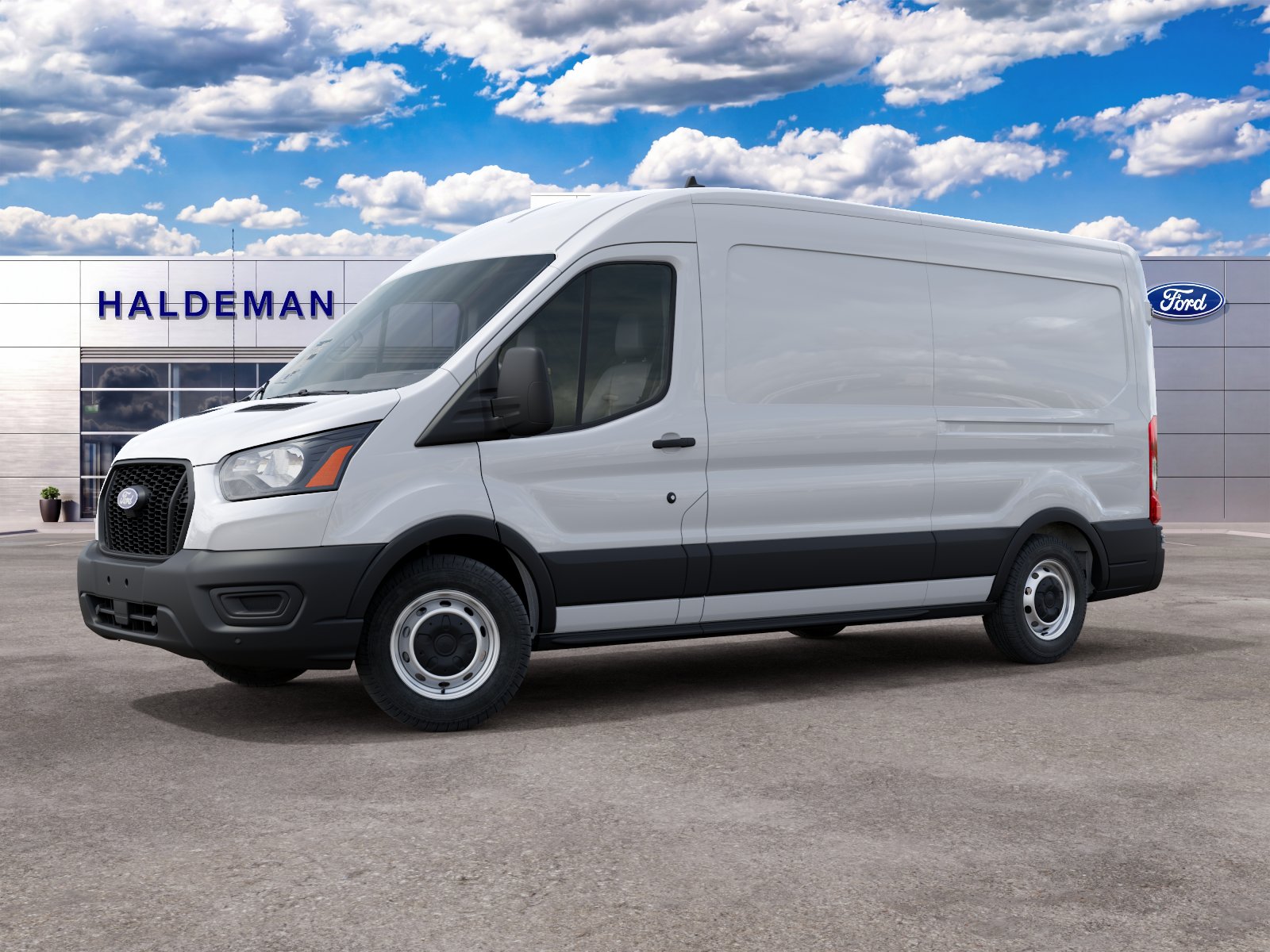
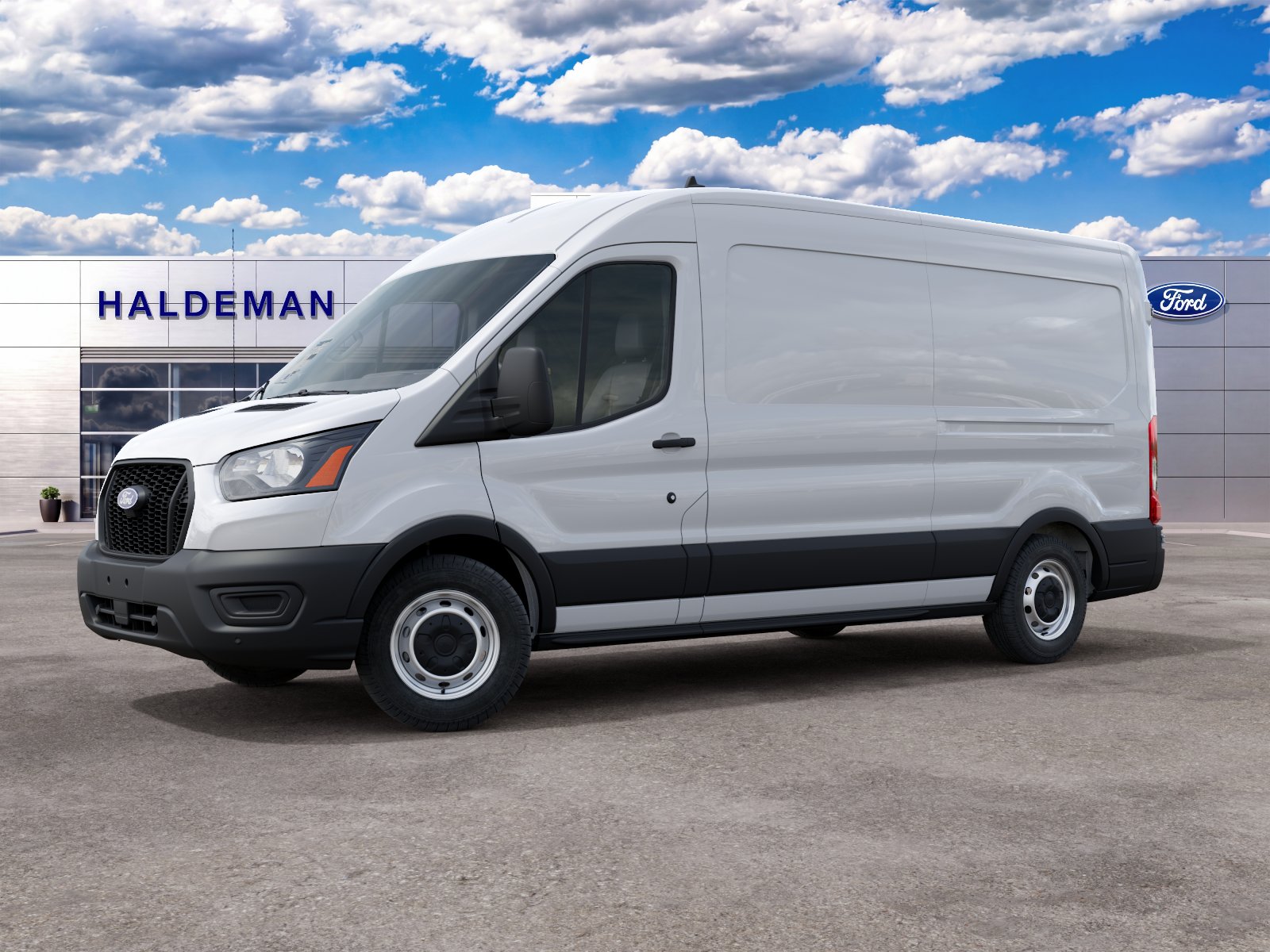
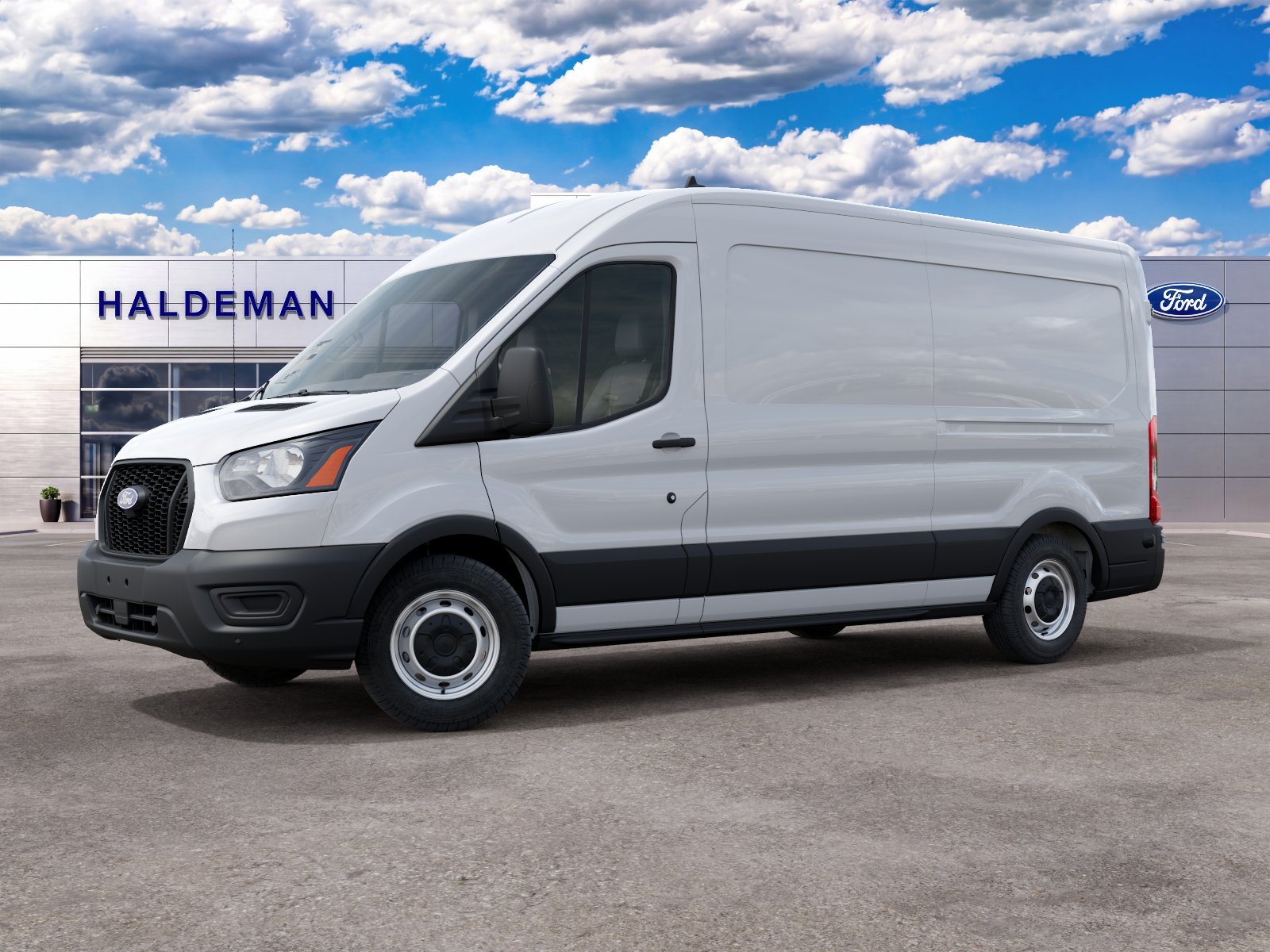
Frequently Asked Questions About New Ford Transit Cargo Van in Trenton, NJ
Can a Transit Cargo Van have sliding doors on both sides?
Some configurations can be ordered with a second sliding door on the driver side, which helps on one-way streets and in alleys where the curb sits to the left. Availability depends on Ford's current order guide, so our staff will confirm whether the van you want can be built that way.
What can I add to keep tools safe in a parked van?
Common additions include a locking partition behind the seats, upgraded door locks, interior lockboxes and an alarm covering the cargo area. Upfitters install most of these after delivery, and some insurers ask which ones are fitted when they write a commercial policy.
Does a low roof fit in city parking garages?
Many downtown garages post entrance heights that a low-roof van can clear, while taller roofs may not fit. Check the posted clearance at each garage on your route and compare it with the specific van, including any racks on top, before ordering.
Can my drivers try the van on streets like the ones they work?
A test drive can usually include narrow blocks, parallel parking and tight turns similar to what your drivers face. Bringing the driver who will spend the most hours behind the wheel gives the most useful opinion.
How should a delivery van be loaded for curbside stops?
Place the items for the first stops closest to the side door and work backward through the cargo area as the route goes on. Heavy items should ride low and strapped to floor tie-downs, so a hard stop in city traffic does not send them sliding.
Have Additional Questions?
Picture one block on your route, from where the van parks to the door you deliver to, and describe it for us: the curb, the traffic and the walk.
Details like a narrow one-way street, a garage entrance or a loading zone with a strict time limit help our van staff point you to the right roof, doors and security setup.
A short phone video of that walk, from the van door to the customer's door, often settles questions a brochure never raises.
Making the Curb Your Loading Dock
Delivery and service routes in a city run on short stops. A courier dropping cartons at office lobbies, a pharmacy driver, a locksmith answering calls and a linen service swapping bags all spend more time parked than moving. In Trenton, where many streets are narrow and rowhomes sit close to the sidewalk, a Transit Cargo Van earns its keep by how quickly a driver can get in, grab the load and get out.
The sliding door on the passenger side opens toward the sidewalk when the van is parked along a curb, which keeps the driver clear of the travel lane at every stop. That one habit, unloading from the curb side, shapes how the cargo area should be arranged, which items ride near that door and how the route itself is drawn up. Drivers who adopt it early tend to finish routes sooner and with fewer close calls.
- Some Transit Cargo configurations have been offered with a second sliding door on the driver side, a help on one-way streets with the curb to the left
- Hand trucks and folding carts that stow upright just inside the side opening come out in seconds, which matters on blocks where a stop lasts only moments
- A sturdy grab handle and step at the side opening matter more on city routes, where a driver may climb in and out over and over before lunch
Rear doors still matter for bulky items, though in a city they are often the harder opening to use. A van parked with another vehicle close behind may not have room to swing them wide, so many urban drivers treat the back as storage and the side as the working entry. Knowing which kind of stop you make most tells you how much each opening will count.
Every stop is a small loading job, and the curb is where most of them happen. A van set up around that side opening makes a long route feel shorter.
A Cargo Area That Stays Locked and Out of Sight
A cargo van parked on a city block holds a business's tools, stock and sometimes customer property, often while the driver is inside a building for a while. Solid side panels keep the load out of view, and that alone discourages a lot of casual theft. Owners who carry valuable equipment usually add layers from there, starting with how the doors lock and who holds the keys.
Many fleets add a partition between the cab and the cargo area, so a thief who breaks a cab window still faces a locked barrier. Aftermarket door locks, interior lockboxes fastened to the floor and alarm systems covering the cargo space are other common additions. Haldeman Ford can point you toward upfitters who install them and explain which choices fit alongside a factory order.
- Vans that sleep on a residential block attract less attention once valuable tools go into a locked bin or back to the shop overnight
- Whether the cab can stay locked while the cargo doors stand open, or the reverse, depends on configuration, so ask about door locking behavior before ordering
- Fleet owners who issue vans to several drivers often track keys and fobs with a simple sign-out log, which narrows the search quickly when one goes missing
Windows are a deliberate choice on a cargo van. Solid rear doors keep stock hidden, while rear glass improves the view when backing out of a tight spot. Some city operators accept the solid panels and lean on mirrors and the rear camera, and others want glass for parallel parking on crowded blocks. Our staff can show both on the lot when inventory allows.
Security on a city route is a set of small habits more than a single product. A van chosen and outfitted with those habits in mind keeps the tools where they belong.
Downtown Loading Zones and Route 1 Runs
Commercial loading zones downtown and around the state office buildings carry posted time limits, and enforcement can be strict. A driver who knows the route can park in a zone close to several deliveries at once, walk the cartons in on a hand truck and move on before time runs out. Planning stops in clusters like that saves fuel and keeps parking tickets off the company's desk.
Routes that leave the city often head up Route 1 toward Princeton, where office parks, labs and retail centers keep courier vans busy. Haldeman Ford can arrange a test drive that covers both kinds of driving, a cramped downtown block and some highway miles, letting you judge the van on each. Backing up to a dock at an office park feels nothing like squeezing past a row of parked cars.
- Drivers splitting a day between downtown loading zones and suburban docks keep the hand truck strapped near the side door so it never slides between stops
- Couriers alternating between city blocks and Route 1 office parks may prefer a medium roof, which clears more garages while still allowing work at a crouch inside
- Parking garages under office buildings often post low clearances, so check the entrance height at your regular stops before ordering the tallest roof Ford builds
Financing a cargo van for route work usually covers the vehicle and can sometimes include upfit equipment installed with it. The finance desk can walk through the documents a lender typically asks a business to provide, from formation papers to proof of insurance, and explain how titling to a company works. Sorting that out before you pick the van keeps the delivery date from slipping.
A city route rewards planning more than speed. A van that fits the garages, zones and highways you use every week keeps that plan working.
Swapping Out a Route Van Worn by City Miles
City routes age a van in particular ways. Constant braking wears pads and rotors, curb strikes knock the alignment out, and a side door opened all day loosens its track and latch. When those repairs begin stacking up, trading the van toward a new Transit Cargo Van often makes more sense than another round of fixes. Haldeman Ford appraises route vans as working vehicles and expects scuffs and dings.
Appraisers look past bumper scrapes to what matters for the next owner: how the van drives, whether the side door slides smoothly and what the service file shows. Aftermarket locks, partitions and lockboxes may add appeal or may come out before the trade, depending on whether you plan to move them into the replacement. Deciding that ahead of time keeps the visit short.
- A van that spent its working life in city traffic may still have a sound body, and records of regular brake service help the appraiser see that clearly
- Company lettering can stay on the outgoing van for the appraisal, though most owners arrange removal before it changes hands to protect the business name
- If a lender still holds the title on the outgoing van, the account details let our office settle that balance as part of the new purchase
Timing a trade on a route van is mostly about coverage. If the new van needs a partition or shelving installed first, keeping the old one working until the upfit is done avoids a gap in deliveries. The handover date can be set around the upfitter's schedule so your customers never notice the switch.
A worn route van still has value to the next owner. Moving it out on your schedule keeps every stop covered.
Service That Fits Around a Delivery Schedule
A cargo van in the shop is a route without a driver. Our service department can book maintenance early in the day, or on the days your routes run lightest, so vans return to work quickly. Constant short trips with frequent stops usually count as severe use in the owner's guide, so the shorter maintenance schedule tends to apply to urban routes.
Technicians pay attention to the parts city driving punishes: brakes, front suspension, tires scuffed against curbs and side door hardware. Catching a worn roller on the sliding door early prevents the kind of failure that leaves a door jammed open on a busy block. Fleet owners around Trenton can ask about keeping each van's records in one place to compare wear across drivers.
- Curb scrapes on passenger side tires show up often on city vans, so ask technicians to inspect sidewalls closely at each rotation and replace any with cuts
- Aftermarket door locks and alarm systems added after delivery should be noted on the service file, so technicians know what was installed before working near it
- Rear camera lenses collect road grime quickly on winter routes, and wiping them clean during each visit keeps the view sharp for tight parking
A van that keeps running keeps the route on time, and a driver who trusts the van spends less effort worrying about it. Regular service, quick repairs and records kept van by van give a delivery business that confidence across a whole fleet. Drivers notice when a squeaky door or a soft brake gets fixed the same week they report it, and that responsiveness keeps them flagging small problems early.
City routes come down to the curb, the door and the minutes between stops. A Transit Cargo Van kept secure and in good repair makes each of those stops count.
A Transit Cargo Van on a city route works one curb at a time. Describe your stops and the tools you protect to Haldeman Ford, and our van staff will match the doors, roof and security choices to that route.